


Are Lever Espresso Machines Better? Pros, Cons & Real Insights by Kevin
Have you ever seen someone extract a shot from a lever espresso machine? After seeing this one question should be raised in any espresso lover’s mind: ‘Are lever espresso machines better than modern tech espresso machines?’ and it is very normal. Because everyone wants to know what the advantages of using a lever espresso machine.
Having spent more than fifteen years fiddling with machinery, let’s check my journey. Since the response is quite personal rather than merely technical.

Table of Contents
- What is Lever Espresso Machine?
- Why Do Lever Machines Feel So Different?
- Are lever machines better than current machines?
- Who Should Use a Lever Machine?
- My Real Response as a Coffee Lover:
- Lever Espresso Vs Pump Machines Vs Semi-auto Vs Fully Automatic
- FAQs:
- 1) What is a lever espresso machine and how it works?
- 2) Are automatic and lever espresso machines equally good?
- 3) Are beginners suited for lever machines?
- 4) For lever machines, which coffee is ideal?
- 5) Why would those who enjoy espresso want lever machines?
- 6) How much pressure can I generate in a lever machine?
- 7) What negative aspects exist in lever espresso makers?
- 8) Does a lever espresso machine need electricity?
- 9) Lever machine can produce lattes and cappuccinos from milk?
What is Lever Espresso Machine?
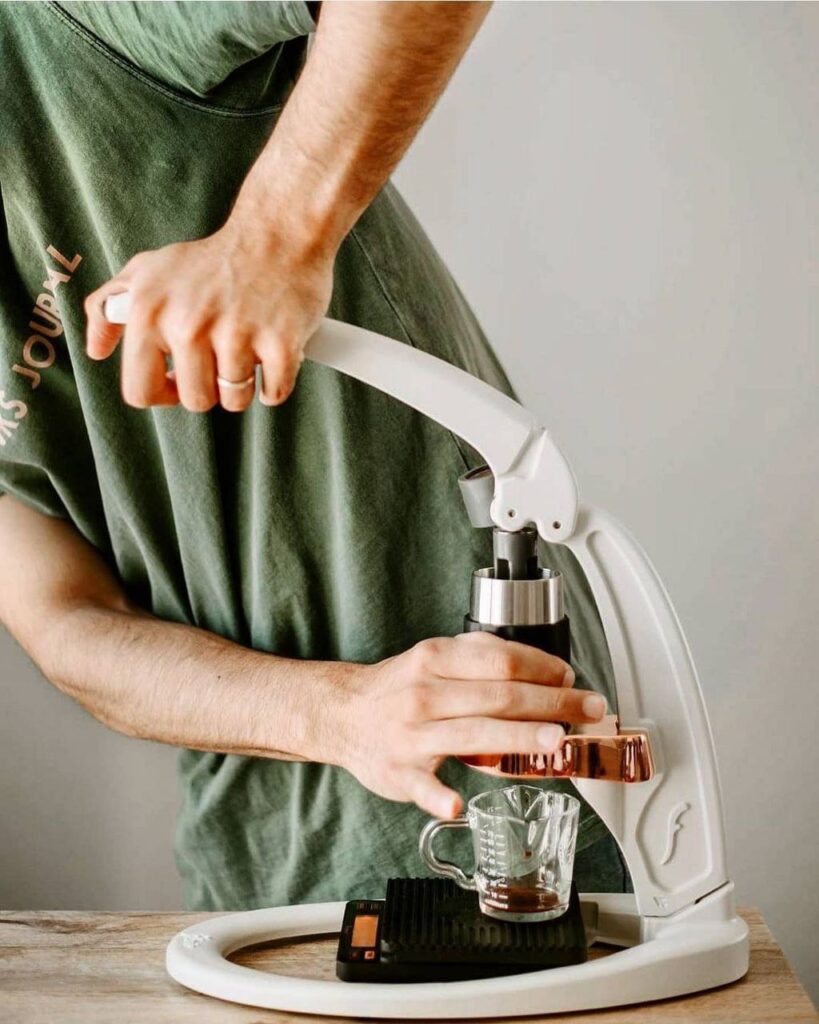
Exactly what it sounds like: instead of pressing a button, you pull down a lengthy lever to generate pressure and extract espresso with lever espresso machines. Two kinds of lever espresso exist:
1) You totally control the pressure with manual lever devices.
2) After the first pull, a spring within Spring piston machines does the pressure work.
Both have old-fashioned appeal. Both are quite beautiful. And both call for a little affection.
Why Do Lever Machines Feel So Different?
I still recall my first encounter with a lever machine-an ancient La Pavoni Europiccola. Though it wasn’t ideal, I became captivated the instant I watched deep golden crema whirl into the cup.
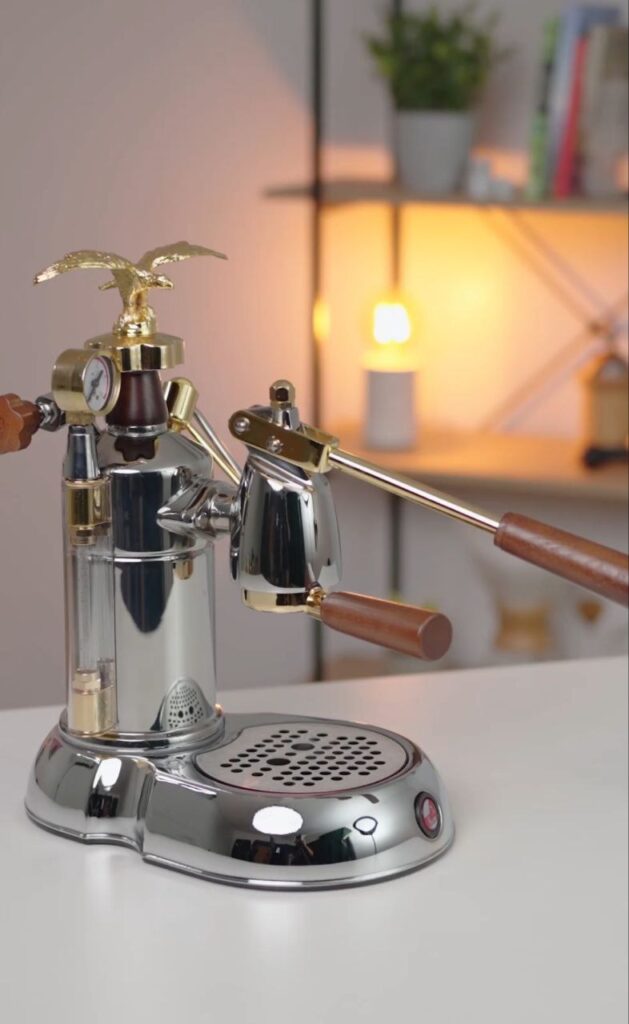
People become in love with lever machines for the following reasons:
1) One could find the romance in control
With a lever machine, you control everything: pre-infusion time, pressure, flow rate. Not some algorithm, you are designing the photo. If you enjoy working hands-on, this equipment helps you feel like an artist.
2) The Point of Process
Making espresso is for many more than just a drink. Lever machines translate the daily grind into something holy. It calls for your attention, slows you down, then pays you with a shot that feels earned.
3) Design and Aesthetic Perfection
Lever machines are simply quite beautiful. They look on a kitchen counter like a sculpture. Devices like the Olympia Cremina or Flair 58 seem to have been created at a period when things were meant to last.
Are lever machines better than current machines?
Advantages:
| Advantage | Why It Matters |
|---|---|
| Pressure Control | You can manually ramp up or reduce pressure to fine-tune flavor. Great for light roasts! |
| Quiet Operation | No loud pumps – just the hiss of steam and silence. Ideal for early mornings. |
| Simple Mechanics | Fewer electronic parts means fewer things to break. They’re built to last decades. |
| Deeper Learning Curve | Yes, this is an advantage. You learn espresso inside out. |
| Beautiful Design | They make your kitchen look like a 1950s Italian cafe. |
Drawbacks:
| Challenge | What It Means |
|---|---|
| Learning Not Ease | You’ll mess up shots in the beginning. That’s part of the journey. |
| Consistency Depends on You | No PID, no automation. it’s your hands and instincts. |
| Slower Workflow | Making 5 lattes in a row? You might struggle. Not ideal for large households. |
| Manual Effort | You physically pull the shot; it can be tiring for some. |
| Expensive to Start | High-end lever machines can cost more than automatic ones. |
Who Should Use a Lever Machine?
Not everyone will find lever espresso machines appealing. Still, if you:
- Love the hands-on experience
- Don’t mind learning and experimenting
- Value craft over convenience
- Want something beautiful that will last decades
Then indeed, the best decision you ever make could be a lever espresso machine.
It’s about slowing down, appreciating, and relating with the process, not only about coffee.
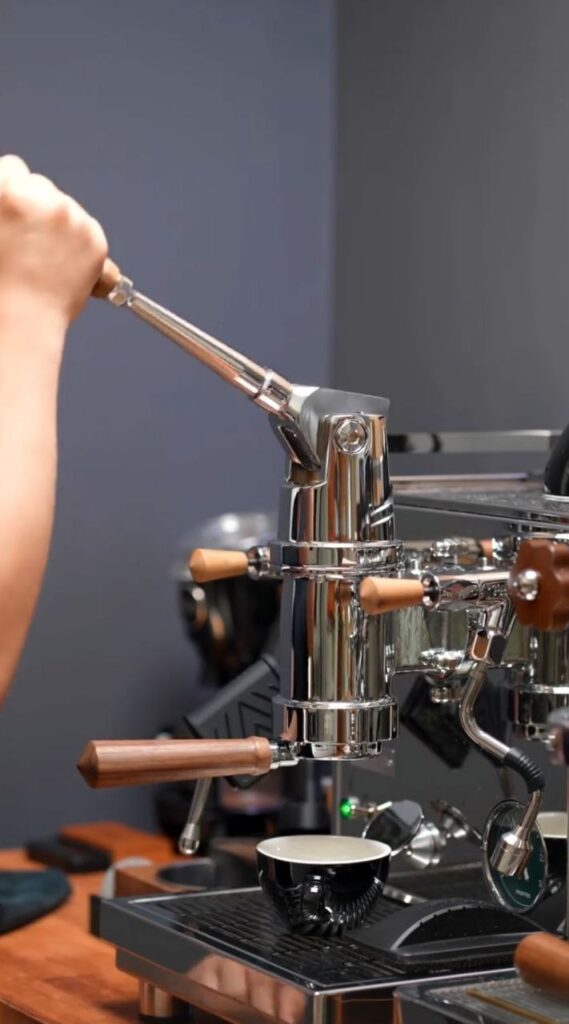
My Real Response as a Coffee Lover:
Are lever espresso machines better?
The answer is yes, if you are the kind of person that thrives on control, learning, and routine.
And it’s a no for those if you seek speed, convenience, and push-button dependability.
I have owned DeLonghis, Brevilles, and even super-automatics. But each time I draw a shot from my lever machine, I am reminded of the first reason I developed feelings for espresso. It restores the core of the work.
How to work Zacconi Baby Espresso Machine?
How to Install Piston into Group Head on Zacconi Riviera?
Lever Espresso Vs Pump Machines Vs Semi-auto Vs Fully Automatic
| Feature / Type | Lever Machines | Pump Machines | Semi-Automatic Machines | Fully Automatic Machines |
|---|---|---|---|---|
| Control Over Brewing | Full control – manually adjust pressure and time | Moderate – pump provides pressure, user controls timing | Balanced – user manages timing, machine manages pressure | Minimal – machine automates most brewing functions |
| Skill Level Required | High – ideal for espresso purists and enthusiasts | Medium – easier to use than lever machines | Beginner-friendly with room to grow | Perfect for beginners and those who prioritize ease |
| Consistency of Espresso Shots | Can vary – depends on your technique | More consistent due to built-in pump | Good consistency once setup is dialed in | Highly consistent with built-in programs |
| Speed of Preparation | Slow – a time-honored ritual | Moderate – faster than lever | Quick – great balance of speed and control | Very fast – ideal for busy mornings |
| Maintenance Needs | Low – fewer electronics but still needs cleaning | Moderate – regular descaling and upkeep required | Moderate – similar to pump machines | High – more parts and electronics require regular care |
| Durability | Very high – mechanical build, lasts for decades | High – durable pump and heating components | High – fewer moving parts means longer lifespan | Varies – more automation can mean more potential issues |
| Espresso Quality Potential | Excellent – authentic, barista-quality | Great – strong and reliable extractions | Great – good balance of quality and usability | Good – consistent, but may lack the handmade feel |
| Learning Curve | Steep – requires patience and practice | Moderate – more forgiving and easier to learn | Mild – encourages experimentation | Easy – push-button convenience |
| Milk Frothing Capability | Manual steam wands on many models | Usually includes manual steam wands | Often better steam control than automatic machines | Built-in frothing, sometimes automatic |
| Noise Level | Very quiet – little to no motor noise | Moderate – pump makes audible humming | Moderate – varies by brand and build quality | Can be noisy due to grinding and automation |
| Cost Range | Medium to High – often premium due to craftsmanship | Affordable to Premium – wide range available | Mid-range to High – priced for home baristas | Mid-range to Very High – priced for tech and convenience |
| Best For | Espresso lovers who enjoy hands-on brewing | New users who want simplicity with some control | Home brewers who enjoy learning and quality control | Busy people seeking convenience without sacrificing taste |
FAQs:
1) What is a lever espresso machine and how it works?
To extract espresso, a lever espresso machine employs manual pressure either directly by the user or via a spring mechanism. After raising the lever to fill the group head with water, you lower it to drive the water through the coffee grinds. Perfect for people who enjoy the art of producing espresso, this is a hands-on approach to brewing.
2) Are automatic and lever espresso machines equally good?
It comes depending on your values. A lever machine is difficult to top if you enjoy complete control, the art of pulling a shot, and the gratification of learning technique. On the other hand, automatic machines are more appropriate for daily simplicity if speed and convenience rule your priorities.
3) Are beginners suited for lever machines?
To be honest, beginners will find these difficult. Lever machines have a learning curve; your grind size, tamp, and pressure will take time to get corrected. If you’re ready to learn, though, they can be quite fulfilling and improve your barista skills.
4) For lever machines, which coffee is ideal?
Perfectly milled fresh roasted espresso beans. You can explore more as you control the pressure; yet, it also means that the shot quality will clearly show stale or uneven ground.
5) Why would those who enjoy espresso want lever machines?
They provide unparalleled control, a quieter brewing method, and a closer relationship with every shot extracted. It’s about the ritual, the experience, and the gratification of creating something with your own hands.
6) How much pressure can I generate in a lever machine?
Based on your strength and technique, manual lever machines usually allow 6–9 bars of pressure. More consistently and at similar pressure levels automatically are spring-lever devices.
7) What negative aspects exist in lever espresso makers?
- Learning curve: They cannot be simply plug-and-play
- Time-consuming: Not the best for fast mornings
- First conflicting results: Until you perfect the method
Our many website users claim the benefits greatly exceed the drawbacks.
8) Does a lever espresso machine need electricity?
A few manual lever machines such as the Flair or Cafelat Robot are entirely non-electric. Others especially spring-lever models need power to heat water but still rely on hand operation for extraction.
9) Lever machine can produce lattes and cappuccinos from milk?
Undoubtedly, Yes! Many lever machines have strong steam wands, and since shot timing is under your control, you can create lovely bases for milk-based beverages.
Verdict:
Lever machines are companions not only tools. They call for your care, curiosity, and patience. So maybe it’s time for you to find out for yourself if you have ever wondered, Are lever espresso machines better? Turn that lever. Accept the rites. You might simply develop feelings.

Kevin Marshal is the founder and primary writer for Espressomachinewizard.com. His passion for rich, high-quality espresso began during a semester abroad in Italy more than 15 years ago. What began as a pleasant daily practice quickly evolved into an obsession with perfecting espresso at home.
Kevin has spent years researching espresso machines, tasting beans from renowned roasters, and experimenting with various brewing methods. His objective is to help others understand the often-overwhelming world of home espresso. Kevin's goal is to make cafe-quality espresso available to everyone, from machine recommendations to shot-making advice.
Kevin lives in San Francisco, California with his wife, kid, and two rescue dogs, all of whom have refined preferences in espresso drinks!
- Master the Morning: De’Longhi Magnifica Start Espresso Machine Review - April 6, 2026
- Ninja Luxe Café ES601 Review: The Best 3-in-1 Espresso Machine? - March 20, 2026
- Multi-Level Aroma G3 vs. P.A.G.2: Discover the Best Jura Grinder for Your Machine - December 6, 2025



2 Comments