Can You Make Espresso Without A Machine? YES, Here’s How!
Have you ever wanted a rich, robust cup of espresso but didn’t have a sophisticated espresso machine on your kitchen counter? Perhaps you’re a college student, live in a small apartment, or simply enjoy coffee but are put off by the high cost of espresso equipment.
I have fantastic news for you: you can make espresso without a machine!
In this comprehensive guide, I’ll show you how to create espresso-style coffee at home with basic materials, a little imagination, and a lot of love for that gorgeous, concentrated brew. Whether you’re a beginner or a home barista seeking alternatives, I’ve got you covered.

Table of Contents
- What is espresso?
- Why make espresso without a machine?
- Alternative Tools To Espresso Machines
- Method 1) Moka Pot: The Classic Italian Way
- Method 2) AeroPress: The Modern DIY Hero
- Method 3) French Press: More Than Just Regular Coffee
- Method 4) Portable Espresso Machines (Manual Presses)
- Method 5) Instant Espresso (If You’re Really in a Rush)
- Tips for a Better Espresso Brew
- FAQs: How to make an espresso without a machine
- 1) Is it authentic espresso if I do not use a machine?
- 2) What is the cheapest method for making espresso at home?
- 3) Can I use normal coffee beans to make espresso?
- 4) Which grind size should I use?
What is espresso?
Before we get into the how-to, let’s first define espresso. Espresso is a brewing method, not a sort of coffee bean. Espresso is manufactured by forcing hot water through finely ground coffee at high pressure (about 9 bars). The end product is a little shot of very strong, concentrated coffee topped with a layer of golden-brown foam known as crema.
But here’s the thing: while it’s typically brewed with an espresso machine, you can come pretty close with various brewing methods. It may not be textbook-perfect, but it can still be extremely delicious.
Why make espresso without a machine?
Espresso machines are expensive. Some espresso machines can cost hundreds or even thousands of dollars. They also take up a lot of room and need a bit of learning.
Making espresso without a machine involves:
- Cost-effective
- Space-efficient
- Simple to learn
- Engaging and gratifying
- Perfect for travel or compact kitchens
Making your own espresso-style drink from scratch using basic tools is truly enchanting. It has a rustic, authentic, and personal vibe.
Alternative Tools To Espresso Machines
Let’s look at five basic ways to make espresso without a machine. Each method offers its charm, flavor, and experience. I’ll lead you through each one like a friend guiding you around your kitchen.
Method 1) Moka Pot: The Classic Italian Way
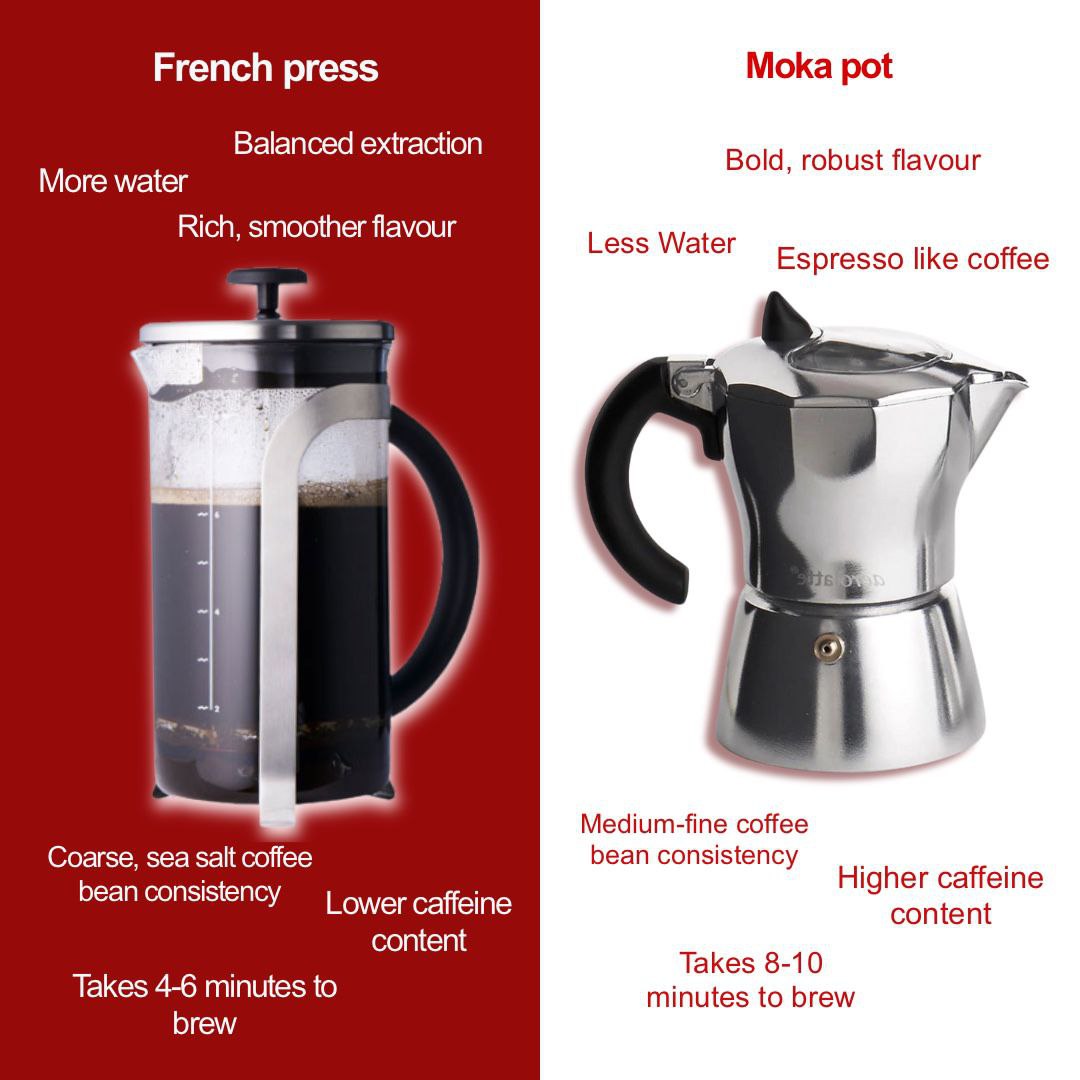
If you ask any Italian nonna how she makes her espresso, she will most likely offer you a Moka pot. This small stovetop brewer has been around since the 1930s, and it’s still going strong!
To make Moka pot coffee, you’ll need the following:
1) a Moka pot (Bialetti is the most common brand).
2) Finely ground coffee (not as fine as espresso grind but finer than drip).
3) Water – A stove.
To brew:
1. Fill the bottom chamber with water until it reaches the safety valve.
2. Add coffee grounds to the filter basket, but don’t tamp them down too firmly.
3. Put the pot on the burner over medium heat.
4. As the water heats, pressure develops, pushing it up through the grounds and into the upper chamber.
5. If you hear gurgling, take it off the heat.
Output: A robust, rich coffee that is really close to true espresso. Whisk in the crema-like froth in a cup for a few seconds.
Method 2) AeroPress: The Modern DIY Hero
This method is for all the coffee enthusiasts out there. The AeroPress is extremely portable and inexpensive and can brew espresso-style coffee if you adjust the settings.
To prepare,
-> You’ll need an AeroPress and plunger, as well as a fine espresso coffee grind.
-> Hot water (approx. 195-200°F)
-> Mug or server – Optional metal filter for increased pressure.
How to Brew:
1. Insert a filter, secure it to the AeroPress base, and position it over a mug.
2. Add 2 teaspoons of fine coffee grounds.
3. Add a small amount of hot water (~60 mL).
4. After stirring for 10 seconds, firmly press the plunger down.
5. Use two hands to apply more pressure (similar to espresso extraction).
Results: A quick, robust shot of coffee with an espresso-like richness and depth.
Method 3) French Press: More Than Just Regular Coffee
Yes, the French press – that large, cozy brewer many people use for Sunday morning coffee – can generate something similar to espresso!
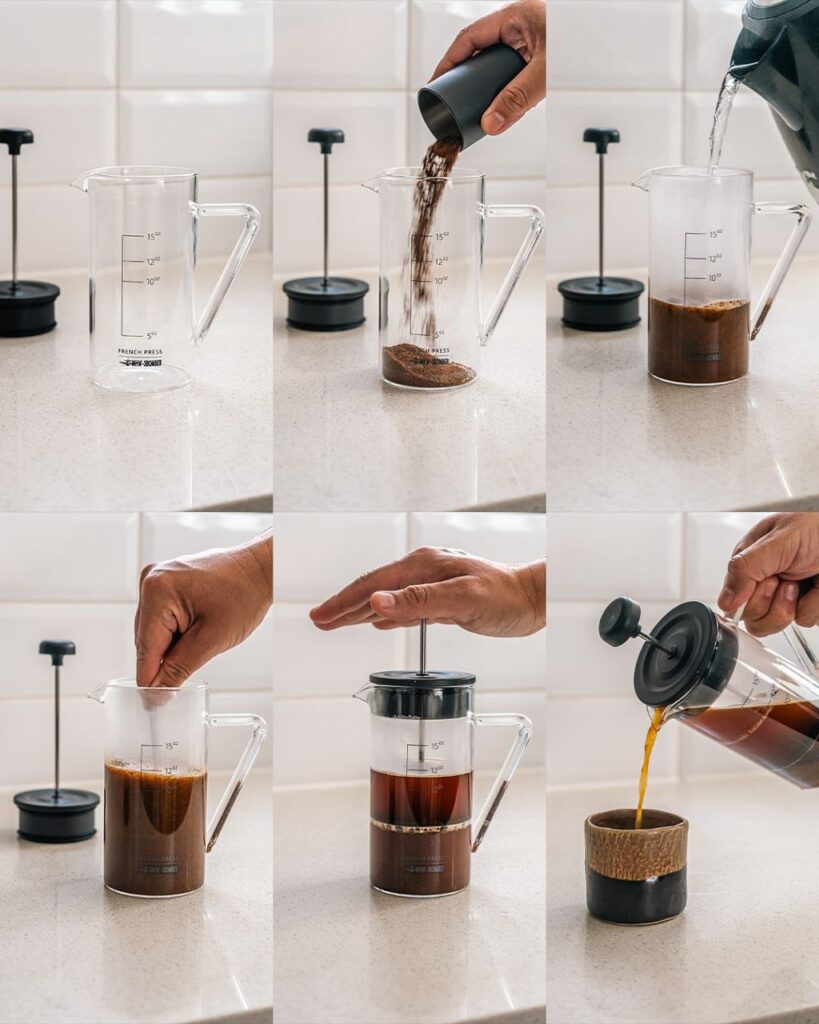
For French press coffee, you’ll need:
- A French press.
- Fine to medium coffee grounds.
- Hot water.
- A spoon or stir stick.
To brew:
1. Add 2 tablespoons of quality coffee to the French press.
2. Pour ½ cup (120 ml) boiling water over it.
3. Gently stir and allow to brew for 4 minutes.
4. Lower the plunger slowly and evenly.
Output: You’ll receive a richer, denser brew than ordinary coffee, similar to espresso. It may not have crema, but it is flavorful and full-bodied.
Method 4) Portable Espresso Machines (Manual Presses)
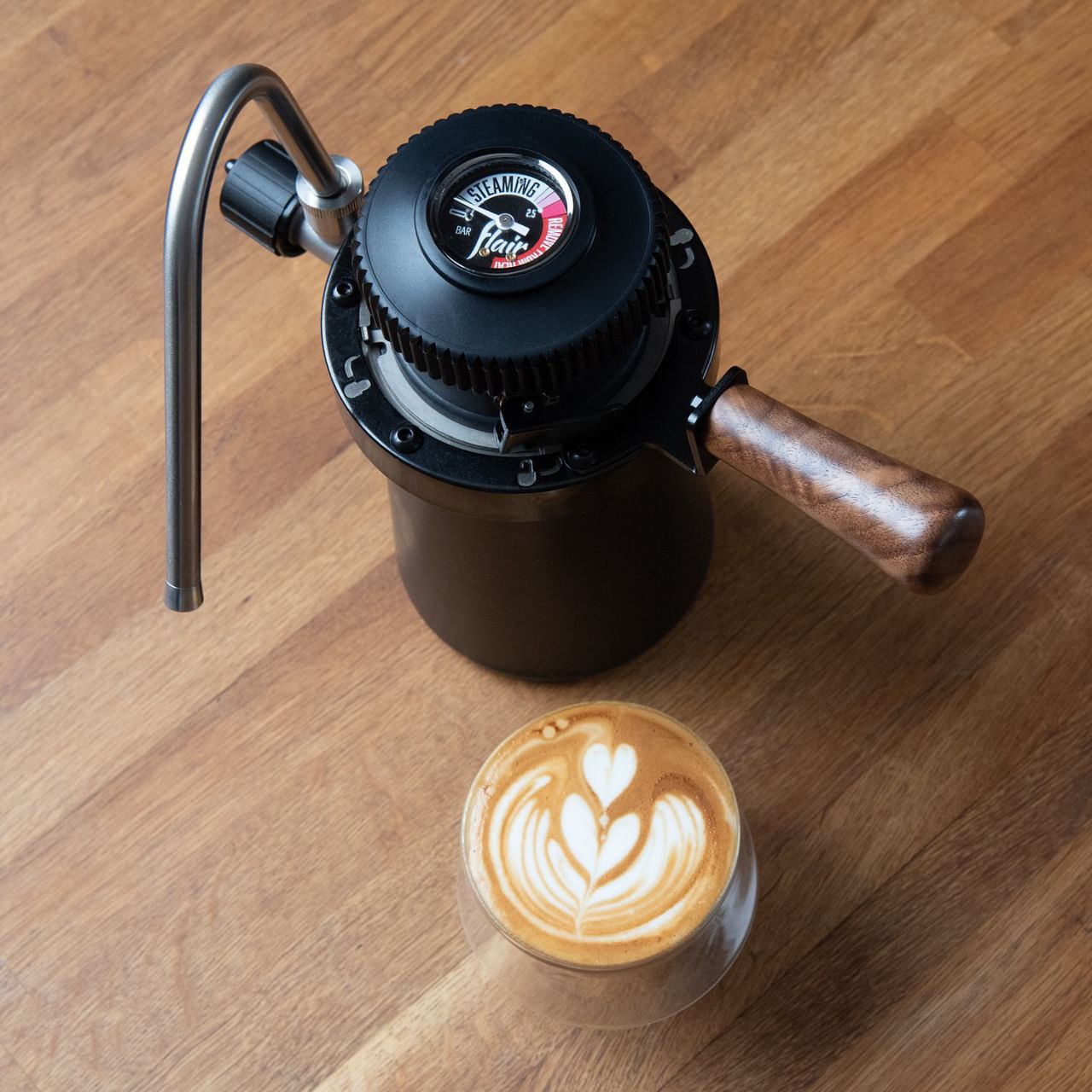
There are some amazing small gadgets out there, like the Wacaco Nanopresso or the Staresso, that employ manual pressure to extract espresso shots.
Tools you’ll need:
- A manual espresso maker and a fine espresso grind.
- Hot water.
Process:
- To brew, first add ground coffee to the filter basket.
- Fill the chamber with hot water.
- Use the handle or button to increase pressure (typically 6-10 bars).
- The coffee will pour into the serving cup with a gorgeous crema!
Output Result: Impressively genuine espresso. Some of these devices compete with entry-level espresso machines and are ideal for travel or camping.
Method 5) Instant Espresso (If You’re Really in a Rush)
Okay, this recipe won’t give you a café-quality shot, but it’s worth mentioning if you only need a quick fix.
Ingredients:
- Instant espresso powder (e.g. Medaglia d’Oro or Café Bustelo)
- Hot water.
Process to brew:
1. Combine 1-2 teaspoons of instant espresso with 1 ounce of boiling water.
2. Stir until dissolved.
The Result: Quick and easy, with a pleasant espresso-like flavor. It’s not flashy, but it works when you need it to.
Tips for a Better Espresso Brew
Do you want your DIY espresso to taste just like the ones at your favorite café? Here are some professional tips:
1) Use fresh coffee beans – Grind them just before brewing to improve flavor.
2) Grind matters: Too coarse and the coffee will be weak. Too fine, and it may clog.
3) Use filtered water – Better water means better taste.
4) Preheat your cup – This will keep your espresso warm for longer.
5) Try a milk frother – Create lattes and cappuccinos at home!
Bonus Part: How to Make Espresso Drinks at Home
Once you’ve learned the fundamentals of espresso, the real fun begins. Here are some great beverages you can make:
-> Latte: Add steamed milk to your espresso.
-> Cappuccino: Combine heated milk and milk foam.
-> Macchiato: Espresso with a small dollop of milk foam.
-> Mocha: espresso + chocolate syrup + steaming milk.
-> Iced Espresso: Shake espresso with ice and sweetener.
-> Affogato: Pour espresso over vanilla ice cream. (Trust me, it’s paradise!)
FAQs: How to make an espresso without a machine
1) Is it authentic espresso if I do not use a machine?
Technically, no, because genuine espresso requires nine bars of pressure. However, in terms of spirit and flavor, it is close enough for the majority of home drinkers.
2) What is the cheapest method for making espresso at home?
A Moka pot is the most cost-effective and dependable technique for making espresso-style coffee. You can acquire one for less than $30.
3) Can I use normal coffee beans to make espresso?
Yes, but espresso-specific roasts perform best. Look for dark roasts with a strong flavor.
4) Which grind size should I use?
Use a fine grind, such as table salt. It contributes to powerful, rich extraction.
Verdict: You Can Make Espresso Without a Machine
Can you make espresso without a machine? A hundred times yes!
You don’t have to break the bank or fill your kitchen with pricey appliances. You may satisfy your espresso needs at any moment by using a Moka pot, AeroPress, French press, or instant espresso.
There’s something authentic and heartwarming about making your own coffee from scratch. It’s more than just the caffeine; it’s about the ritual, the comfort, and that first sip that makes things feel just a little bit better.
So, try one of these methods and enjoy your handmade espresso trip. And when somebody asks, “Can you make espresso without a machine?” Simply smile and add, “Absolutely, and it tastes wonderful.”
Thank you for reading this guide article. Have a wonderful coffee day ahead.

Kevin Marshal is the founder and primary writer for Espressomachinewizard.com. His passion for rich, high-quality espresso began during a semester abroad in Italy more than 15 years ago. What began as a pleasant daily practice quickly evolved into an obsession with perfecting espresso at home.
Kevin has spent years researching espresso machines, tasting beans from renowned roasters, and experimenting with various brewing methods. His objective is to help others understand the often-overwhelming world of home espresso. Kevin's goal is to make cafe-quality espresso available to everyone, from machine recommendations to shot-making advice.
Kevin lives in San Francisco, California with his wife, kid, and two rescue dogs, all of whom have refined preferences in espresso drinks!
- Master the Morning: De’Longhi Magnifica Start Espresso Machine Review - April 6, 2026
- Ninja Luxe Café ES601 Review: The Best 3-in-1 Espresso Machine? - March 20, 2026
- Multi-Level Aroma G3 vs. P.A.G.2: Discover the Best Jura Grinder for Your Machine - December 6, 2025